Thinking about Fairfield and wondering whether it feels more like a beach town, a commuter town, or a classic Connecticut suburb? The short answer is that it blends all three. If you are trying to picture daily life here, Fairfield offers a coastal setting, a real downtown, rail access, and a housing mix that leans strongly residential. Let’s dive in.
Fairfield at a Glance
Fairfield is a coastal Long Island Sound town just west of Bridgeport. The town describes itself as primarily residential, with commercial areas spread throughout town, three Metro-North rail stations, and two universities.
In terms of scale, Fairfield feels more like a midsize suburban coastal town than a small beach enclave. The town reported a 2024 population of 63,433, and the Census Bureau’s July 2025 estimate places it at 66,262. That size gives you a balance of everyday convenience and a strong sense of local identity.
Coastal Living Shapes Daily Life
One of the biggest draws of living in Fairfield is how much the shoreline influences the rhythm of the year. The town has five miles of coastline and five beaches, which makes the water a visible and practical part of local life.
In summer, the beaches become a major hub for recreation and downtime. According to the town’s beach guide, Jennings and Penfield offer the most flexibility for visitors during the season, while Southport, Sasco, and South Pine Creek have resident-only parking rules.
What stands out, though, is that Fairfield’s shoreline is not just a summer attraction. Spring and fall are quieter, and the town highlights those seasons as scenic times to enjoy the beach. Even winter has its own appeal, with shoreline views and a calmer atmosphere that many year-round residents appreciate.
Fairfield Beaches Through the Year
If beach access matters to your lifestyle, Fairfield offers a more year-round pattern than many people expect. Dogs are allowed on most beaches from October 1 through March 31, and Jennings allows off-leash dogs year-round.
That means your routine might shift with the seasons rather than stop altogether. Summer may bring busier beach days, while cooler months can feel more like peaceful walks and quick breaks by the water.
Downtown Fairfield Has Real Energy
Fairfield is not just about the shoreline. Downtown is presented by the town as the community’s vibrant heart, with shopping, dining, arts, and culture centered on walkable streets.
For many buyers, that matters because it gives Fairfield more than a strictly residential feel. You have places to go, things to do, and a town center that supports day-to-day life as well as weekend plans.
Historic Character Is Part of the Setting
Fairfield also carries visible historic character. The Fairfield Museum and History Center identifies the Town Green campus as the civic center of town, and its history resources note that signs of Fairfield’s 18th-century past remain visible along the Post Road historic district and Museum Commons.
Nearby cultural and civic landmarks include the Fairfield Museum and History Center, Fairfield Theatre Company, the library, Birdcraft Sanctuary, the Sun Tavern, and the Old Academy. Together, these places help create a town that feels established and layered rather than newly built or generic.
Fairfield Has a College-Town Layer
Another part of life in Fairfield is the presence of Fairfield University. The university describes itself as a residential campus with about 5,000 full-time undergraduates, and it also notes that commuter students are a major part of campus life.
That campus presence adds activity, events, and a steady flow of people to the community. The university also notes that around 400 seniors move into beach-area homes near campus each year, which adds to the seasonal changes in certain parts of town.
What That Means for the Town’s Feel
In practical terms, Fairfield can feel more dynamic than some suburban towns nearby. University life supports local restaurants, small businesses, arts programming, and activity in both the downtown and beach areas.
If you like a town with a little more movement and energy, that can be a plus. If you prefer a very quiet atmosphere all the time, it is worth understanding how that college presence shapes certain areas during the academic year.
Commuting Is a Core Part of Fairfield Life
Fairfield is one of those towns where train access clearly shapes the weekly routine. The town has three Metro-North stations, including Fairfield-Black Rock, which the town says was built to handle up to 12 rail cars and more than 1,300 parking spaces.
The Fairfield station is on the New Haven Line, and the station also connects to Greater Bridgeport Transit. For many residents, that rail network is part of what makes Fairfield practical for work, day trips, and regional travel.
Getting Around Town
Fairfield University’s shuttle system links campus with the Fairfield Train Station, Town Green, and commercial areas along the Post Road. While not every resident will rely on those services, the broader transportation setup points to a town where commuting, errands, and outings can be more connected than in places that depend entirely on driving.
That can be especially appealing if you want a suburban home base with useful transit infrastructure built into everyday life.
Housing in Fairfield Feels Mostly Residential
From a housing perspective, Fairfield still reads as a primarily owner-occupied, single-family market. Census Bureau QuickFacts reports an owner-occupied housing rate of 83.3%, a median owner value of $780,500, and a median gross rent of $2,185.
Census Reporter data shows that about 84% of housing units are single-unit structures. In plain terms, that helps explain why Fairfield feels much more like a detached-home market than a dense apartment town.
Classic New England Homes and Newer Choices
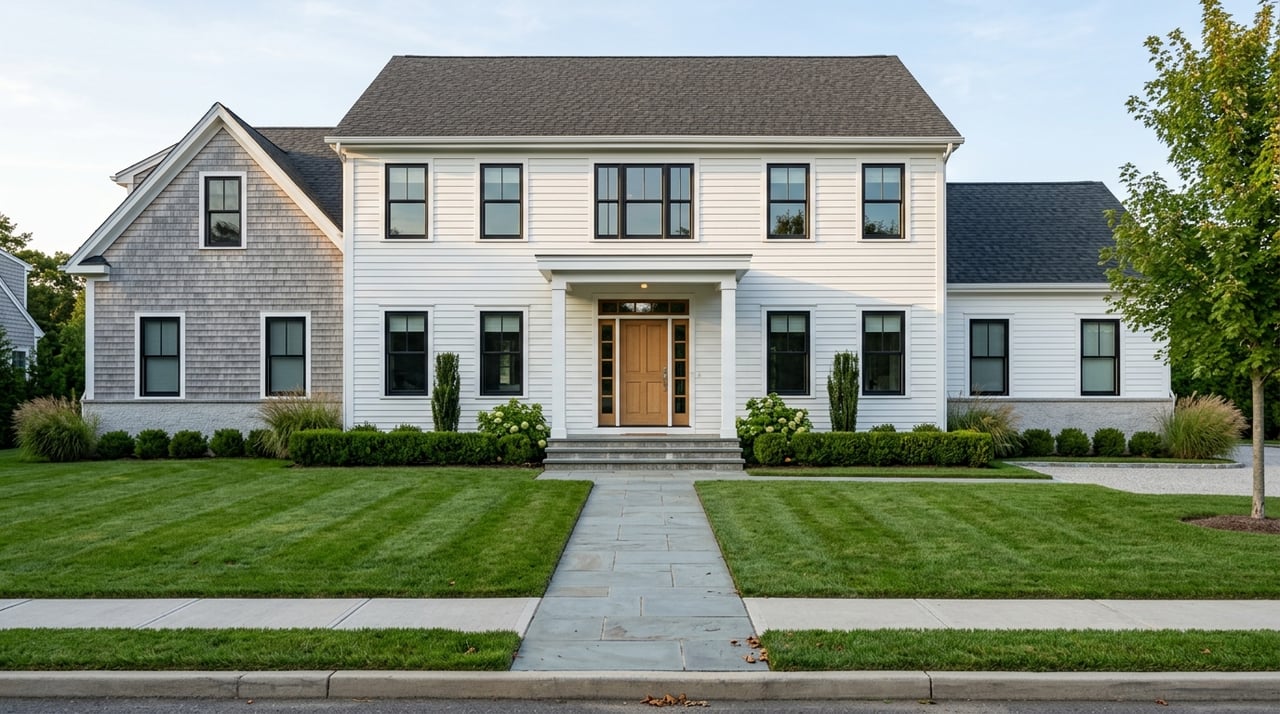
A big part of Fairfield’s appeal is its architectural mix. Historic sources from the Fairfield Museum show that 18th-century homes are still visible in the Post Road historic district, and the Ogden House reflects the town’s long New England history.
At the same time, Fairfield also has newer mixed-use and transit-oriented development near rail corridors. The town’s economic development materials point to new mixed-use space with apartments next to Fairfield Metro, which suggests that buyers and renters may find some newer options alongside older detached homes and beach-area properties.
What Kind of Buyer Likes Fairfield?
Fairfield tends to appeal to people who want more than one thing from a town. You may be drawn to the beach, but also want a downtown that feels active. You may want a suburban home, but still care about train access and a connected location.
It can also be a strong fit if you appreciate housing variety within a largely residential setting. Fairfield offers classic detached homes, beach-area houses, and some newer transit-linked options, all within a town that stays active through more than one season.
The Overall Lifestyle in Fairfield
If you are deciding whether Fairfield matches your lifestyle, the best description may be this: it is a coastal suburban town with depth. You get shoreline living, a walkable town center, visible local history, university energy, and a rail spine that supports commuting and regional access.
Just as important, Fairfield does not feel limited to one season. Summer beach life is a major part of the experience, but the town stays active through arts, history, downtown activity, and everyday residential life all year long.
For many buyers, that mix is exactly the point. Fairfield offers a setting that feels established, versatile, and rooted in the kind of coastal Connecticut lifestyle people often hope to find.
If you are exploring Fairfield or comparing towns across Mid-Fairfield County, the Marion Filley Team can help you understand how Fairfield fits your goals, timeline, and lifestyle.
FAQs
What is daily life like in Fairfield, Connecticut?
- Daily life in Fairfield combines coastal living, a mostly residential setting, downtown shopping and dining, university activity, and commuter rail access.
Does Fairfield, Connecticut have beaches?
- Yes. Fairfield has five miles of coastline and five beaches, with seasonal parking rules that vary by beach.
Is Fairfield, Connecticut a commuter-friendly town?
- Yes. Fairfield has three Metro-North rail stations, including service on the New Haven Line, which makes train commuting a major part of life for many residents.
What types of homes are common in Fairfield, Connecticut?
- Fairfield’s housing stock is largely made up of single-family homes, though there are also beach-area homes and some newer mixed-use or transit-oriented housing options.
Does Fairfield, Connecticut feel active year-round?
- Yes. Summer centers heavily on the beach, while spring and fall are quieter on the shoreline, and downtown, arts, history, and university activity help keep the town active throughout the year.