Trying to choose between Westport and Darien? You’re not alone. Both offer coastal charm, commuter access, and beautiful homes, but the day‑to‑day feel is different in each town. In this guide, you’ll compare housing options, coastal access, commute tradeoffs, and town amenities so you can find the best fit. Let’s dive in.
How the towns feel day to day
Westport tends to feel more arts‑driven and active. You’ll find a lively downtown along Main Street and the Saugatuck area, a strong dining scene, and seasonal performances at venues like the Westport Country Playhouse. The waterfront is a central part of life, with the Saugatuck River and town beaches shaping recreation.
Darien reads as quieter and more residential. Neighborhood streets branch off the Post Road and train corridors, with a classic Main Street feel and a strong commuter orientation. You still get coastal recreation and easy New Haven Line access, but evenings are lower key compared with Westport.
Housing choices and price‑band framework
Both towns are known for single‑family homes, but the mix and setting differ.
- Westport: A broad variety, including historic colonials near town, mid‑century ranches, newer construction, and direct waterfront along the river and Long Island Sound. Lot sizes can be larger in some areas, and you’ll find both in‑town and estate‑style properties.
- Darien: Predominantly single‑family neighborhoods with smaller clusters of townhomes near the Post Road and train. Coastal enclaves include properties with association beaches and some private waterfront.
Here’s a practical way to think about budget without relying on stale numbers:
- Entry to mid tier: Older 3 to 4 bedroom homes on smaller lots, some with recent updates. In Darien, demand is often strong near train stations. In Westport, you may find a wider range of styles across different neighborhoods.
- Move‑up tier: Larger, renovated homes or newer builds with open layouts and yard space. Focus on proximity to parks, commuter stations, and daily needs.
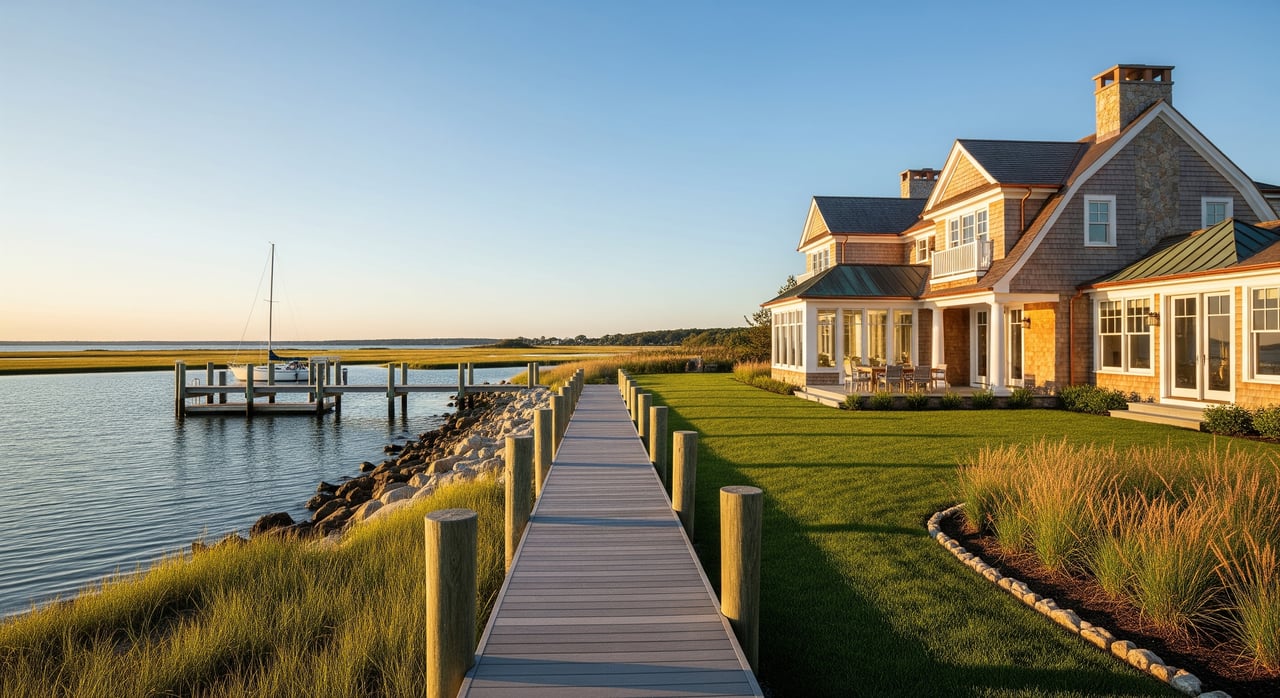
- Premium and waterfront: Direct waterfront, docks, association beaches, or estate‑level properties. Make room in your budget for coastal maintenance and insurance.
Market conditions change quickly. Ask for recent 90‑day medians, list‑to‑sale ratios, and days on market when you’re ready to tour. A local advisor can help you compare what the same budget buys in each town by neighborhood and lot setting.
Coastal access, flood risk, and permits
Public beaches exist in both towns, and some neighborhoods include private or association beaches. Resident parking, beach passes, and seasonal rules vary by town. Check each town’s Parks & Recreation page for current details, including fees and hours: Westport’s Parks & Recreation and Darien’s Parks & Recreation.
Flood risk depends on exact location and elevation. Many shoreline and riverside properties fall within mapped FEMA flood zones. Before you buy, confirm the property’s flood zone using the FEMA Flood Map Service Center, and ask for any elevation certificate on file. Insurance premiums vary by elevation and structure, so get quotes early.
If you plan shoreline work, docks, or seawall repairs, expect layered permits. Local departments review coastal site plans and building details, while the state and federal agencies regulate impacts to tidal wetlands and navigable waters. For guidance, review the CT DEEP coastal management page and the U.S. Army Corps of Engineers New England Regulatory. Timing can range from weeks to months, and public hearings are common. Start early and verify requirements with the town harbormaster and building or zoning offices.
Commute and transportation
Both towns sit on the Metro‑North New Haven Line. Darien offers two stations, serving many residential areas. Westport’s station serves the downtown and surrounding neighborhoods. Peak train frequency and express stops vary, so check current MTA/Metro‑North schedules and plan for parking permits at your station of choice.
By car, I‑95 runs along the coast, with the Merritt Parkway inland as an alternate. Peak congestion can add time, so test your route during actual commute hours. The Merritt restricts commercial traffic and certain vehicles, which helps flow but can still slow at rush hour.
For daily convenience, consider a “third‑leg” plan. Proximity to grocery, daycare, sports fields, and after‑school activities can matter more than a few minutes saved on the train.
Town centers, amenities, and services
Westport’s downtown spreads across two main nodes: Main Street and Saugatuck. You’ll find restaurants, boutiques, and a calendar of events, with seasonal concerts at the Levitt Pavilion and performances throughout the year. Boating, kayaking, and beach days are part of regular life.
Darien’s town center is more concentrated along the Post Road and Main Street, with family‑friendly cafes, local services, and easy access to the train. You also get beaches, parks, and private marinas nearby. Mooring fields and marina slips may have waitlists in both towns, so check with the harbormaster early if boating is a priority.
Property taxes depend on each town’s mill rate and your assessed value. Revaluation cycles and special assessments can change your annual bill. Before you buy, review the assessor and tax collector information on each town’s website and request sample tax bills for context.
Which town fits your lifestyle?
You may lean Westport if:
- You value a livelier downtown with arts, dining, and seasonal events.
- You want a wider mix of home styles and lot sizes, including riverfront and Sound‑side options.
- You prefer multiple commercial clusters for errands and dining variety.
You may lean Darien if:
- You want quiet, residential streets close to Metro‑North stations.
- You prefer classic single‑family neighborhoods with access to beaches and local services.
- You seek a lower‑key evening scene and a more commuter‑oriented layout.
A quick touring checklist
- Commute test: Try your actual commute from each neighborhood during peak hours and check station parking.
- Coastal due diligence: Pull the FEMA flood map, ask for any elevation certificate, and get insurance quotes before you bid.
- Permits plan: If you want a dock or shoreline work, contact the harbormaster and building or zoning offices early and review DEEP and USACE guidance.
- Association rules: If a beach or dock is shared, request bylaws, dues, and maintenance policies.
- Daily rhythm: Identify your nearest beach, park, supermarket, healthcare, and after‑school activities.
Ready to weigh tradeoffs and see what your budget buys in each town? Let the Marion Filley Team create a side‑by‑side plan, arrange tours, and coordinate everything from staging to Compass Concierge when you sell.
FAQs
What are the biggest lifestyle differences between Westport and Darien?
- Westport feels more arts‑and‑activity focused with multiple downtown nodes, while Darien is quieter and more residential with strong commuter convenience.
How do public and private beach options work in these towns?
- Both offer public beaches and some private or association access; review resident passes and parking rules on Westport’s and Darien’s Parks & Recreation pages.
How can I check flood risk for a waterfront or riverside home?
- Use the FEMA Flood Map Service Center to confirm the flood zone, request any elevation certificate, and obtain insurance quotes specific to the property.
What permits are needed for a dock or seawall in Connecticut coastal towns?
- Expect local approvals plus state DEEP and U.S. Army Corps reviews; timelines vary by project and often include public hearings, so start early.
What should I know about the train commute to NYC from each town?
- Both sit on the Metro‑North New Haven Line; check MTA schedules for express vs local options and confirm station parking permits and waitlists.
How do property taxes compare between Westport and Darien?
- Taxes depend on the town’s mill rate and your assessed value; review each town’s assessor and tax collector pages to estimate annual costs before you buy.