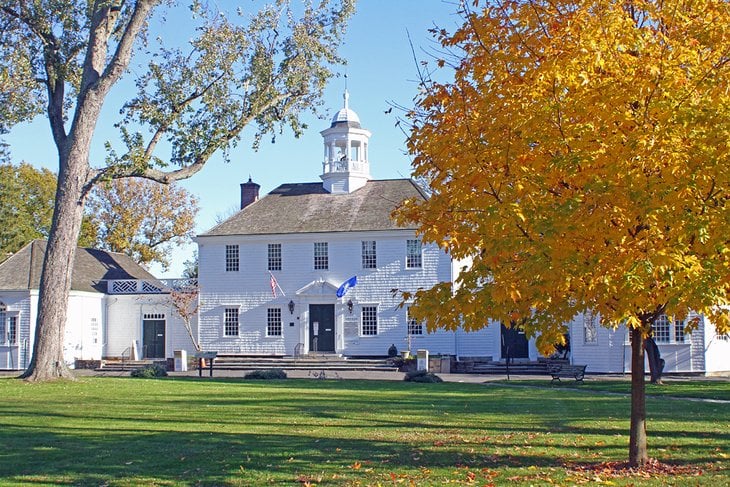
Local history isn’t only found in museums or landmarks — it lives in the homes, neighborhoods, and streets that shape a community’s identity. In towns across Fairfield County, real estate plays an important role in preserving that history, ensuring that the character and stories of the past continue to thrive alongside modern living.
From historic farmhouses to classic Colonials and thoughtfully restored properties, the real estate market often serves as a bridge between preservation and progress.
Historic Homes as Living History
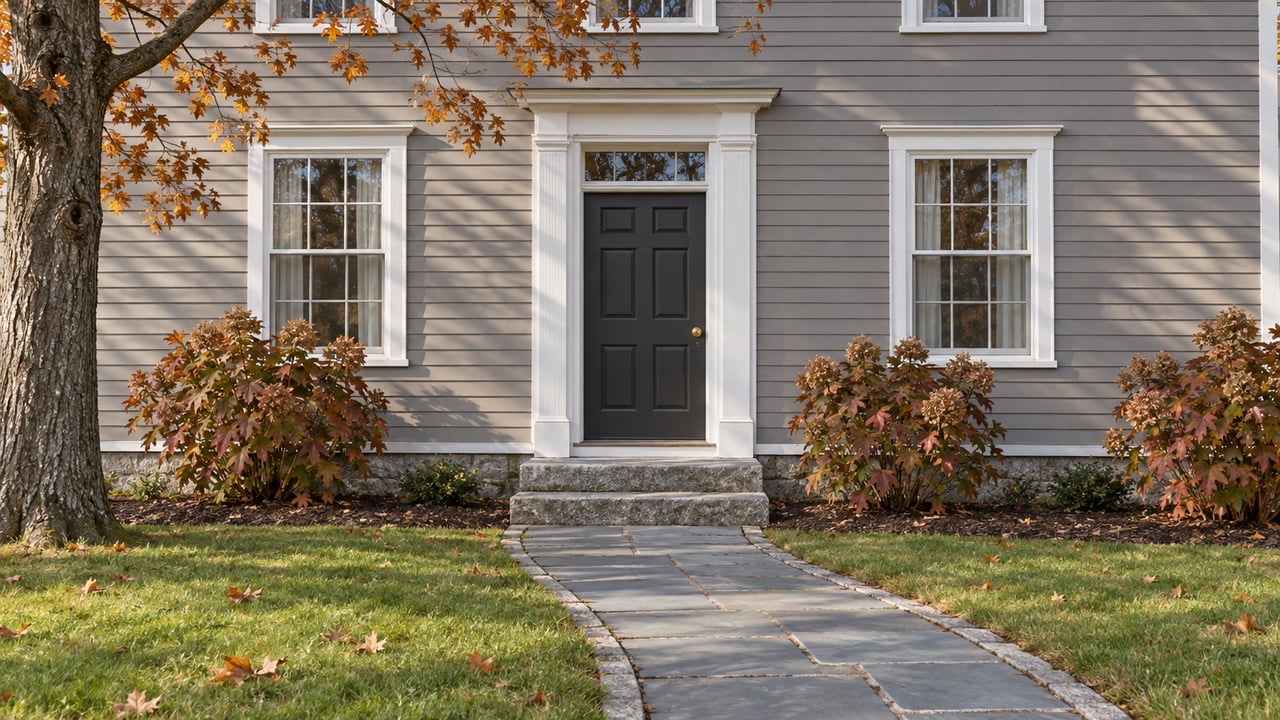
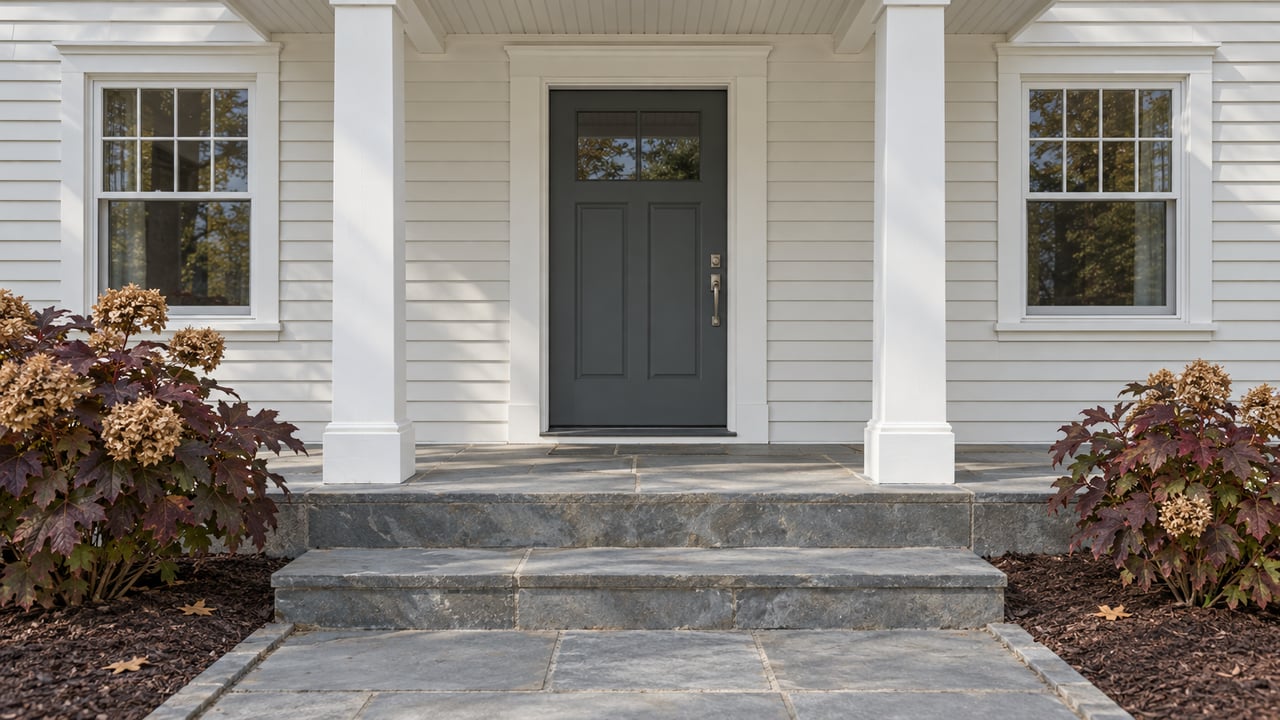
Historic homes are more than beautiful architecture — they are living pieces of a town’s story. When buyers choose to restore and maintain these properties, they become stewards of local heritage. Thoughtful renovations that respect original details, craftsmanship, and design help keep history alive while adapting homes for today’s lifestyles.
Real estate transactions involving historic homes often come with a sense of responsibility, where ownership means honoring the past while planning for the future.
Preserving Neighborhood Character
Beyond individual homes, real estate plays a role in protecting the overall character of neighborhoods. Zoning guidelines, preservation districts, and community standards help ensure that growth happens in a way that complements existing architecture and history.
When buyers and sellers value the character of a neighborhood, it encourages mindful development — preserving tree-lined streets, historic town centers, and architectural consistency that define a community.
Supporting Preservation Through Investment
Buying and selling homes in historic areas helps sustain preservation efforts. Investment in these properties supports local tradespeople, craftsmen, and preservation initiatives that specialize in maintaining older homes. Over time, this care helps prevent neglect and ensures that historic properties remain an asset rather than a liability.
Strong demand for homes with character also reinforces the idea that history adds value — both culturally and financially.
Balancing Progress with Preservation
Communities evolve, and real estate plays a key role in balancing growth with respect for the past. New construction, renovations, and adaptive reuse projects can coexist with historic preservation when guided by thoughtful planning and community involvement.
This balance allows towns to grow while maintaining the charm and authenticity that draw people to them in the first place.
Why It Matters to the Community
Preserving local history strengthens community identity. Historic homes and neighborhoods create a sense of place, foster pride, and connect generations of residents. Through responsible ownership and informed real estate decisions, buyers and sellers help ensure that these stories continue to be told.
At the Marion Filley Team, we believe real estate is about more than transactions — it’s about protecting the legacy of the communities we serve.