Thinking about listing your Westport home this spring but not sure where to start? You are not alone. Spring brings eager buyers, yet results depend on smart pricing, focused prep, and a launch plan that reaches the right audience fast. In this guide, you will get a clear, local roadmap for timing, pricing, light updates, and marketing that works in Westport. Let’s dive in.
Westport market at a glance
Spring 2026 is shaping up as a price‑sensitive market with real variability by price band. As of February 16, 2026, several data providers show different snapshots for Westport. Zillow’s ZHVI is about $1.9M (through January 31, 2026). Redfin’s December 2025 read showed a median near $1.8M and a sale‑to‑list ratio around 101 percent. Realtor.com has different medians and days on market due to sample mix. In a small, higher‑price coastal town, a few luxury closings can swing townwide medians.
What this means for you: price and condition matter more than ever. Some homes still see above‑ask results when well‑positioned, while others take longer as inventory shifts. A local, property‑specific CMA using MLS comps is the most reliable way to set your list price.
Timing your spring listing
Many Westport moves track with the school calendar. According to the district’s 2025–2026 calendar, Spring Recess is April 13–17, 2026, and the last day for students is June 16, 2026. If your goal is to sell to a buyer who wants to move before the next school year, target a closing in late July or early August. That usually means going under contract by late May or June, which points to a listing window of mid‑April through mid‑June. You can confirm dates on the Westport Public Schools 2025–2026 calendar.
Pro tip: calendar timing helps, but your prep and marketing plan carry equal weight. Strong presentation and early interest in the first two weeks make a bigger difference than listing on a specific day.
Price with precision
A defensible list price starts with the right comps and clear adjustments. Here is the step‑by‑step approach we use with sellers:
Define your market band
Identify your neighborhood context (Saugatuck, Compo, Greens Farms, Coleytown, Long Lots), lot size, water proximity, age, and condition. Clarify your likely buyer set, such as commuter households, downsizers, or second‑home buyers. This frames which sales are truly comparable.
Find 3–5 recent solds
Aim for sales within the last 3–6 months, in the same or nearby area, within roughly 15–20 percent of your home’s size, and with similar lot and condition. If you expand the time window, apply time adjustments for market movement. Study photos to judge updates and finishes.
Make clear adjustments
Start with price per square foot, then adjust in dollars for major kitchen updates, bath count, finished lower level, pool, garage capacity, lot quality, and water influence. Document each adjustment so the final target price range is transparent.
Confirm with market context
Compare your target price to recent sale‑to‑list outcomes in town and to the current active competition. If inventory has grown in your band or days on market are trending longer, consider a tighter price or pre‑list improvements to keep momentum.
Choose your tactic
- Price just under a search threshold to spark strong early traffic when multiple offers are likely.
- Price at market to capture the widest qualified audience and reduce appraiser friction.
- Avoid testing far above market. In a price‑sensitive town, buyers quickly compare features and pass on over‑reaches.
Illustrative check: a recent sampling of Westport sales across several neighborhoods averaged about $503 per square foot. For a well‑updated 3,000‑square‑foot non‑waterfront home, that points to a rough internal check near $1.5M, then adjust for your home’s specific condition, lot, and features. Your final list price should come from a formal MLS‑based CMA.
Smart prep that pays off
Target quick, visible improvements that help buyers say yes without heavy spend.
Staging that sells
NAR reports that about 29 percent of agents saw staging add 1–10 percent to offers, and about 49 percent said staging reduced time on market. The median reported cost is around $1,500. Focus on the living room, the kitchen, and the primary bedroom. See highlights from the NAR home staging report.
High‑ROI, light updates
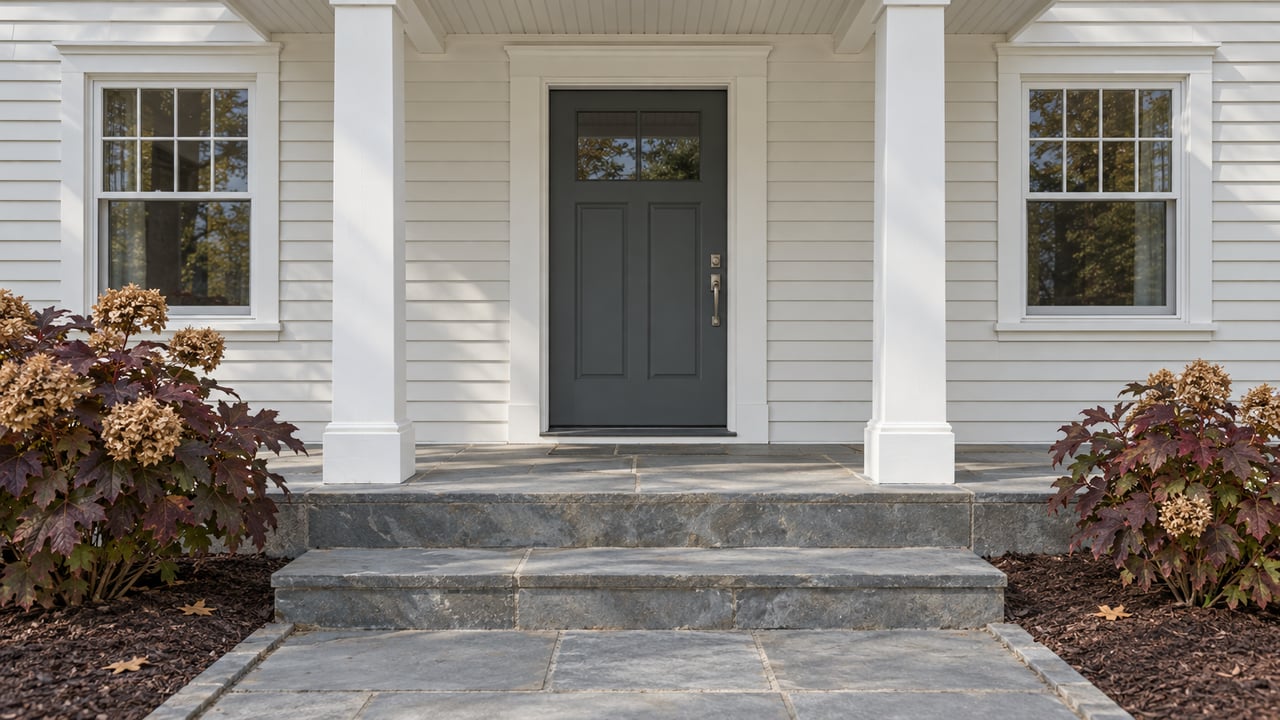
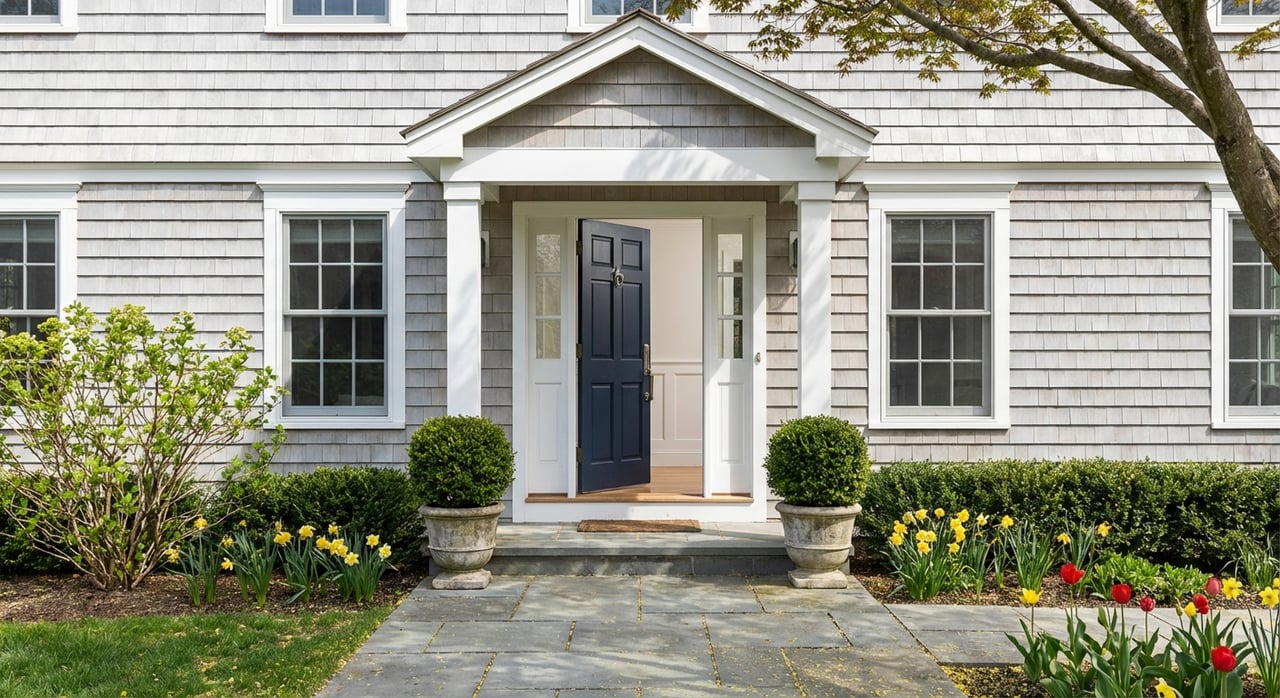
Exterior curb‑appeal projects typically return a strong share of cost. Think garage door and entry door replacements, fresh landscaping, and minor masonry or veneer accents. Inside, a minor kitchen refresh can outperform a full remodel for resale. These themes appear year after year in Cost vs. Value data. Review the national trends in this Cost vs. Value summary.
Westport‑ready checklist
- Declutter and deep clean. Remove bulky furniture and excess decor to open up rooms.
- Apply neutral, fresh paint. Bright, consistent walls and trim photograph well and feel move‑in ready.
- Refresh flooring where worn. Recoat hardwoods or replace tired carpet with neutral materials.
- Tune up curb appeal. Edge the lawn, trim hedges, add mulch, and update house numbers or mailbox.
- Knock out easy repairs. Fix leaks, door latches, loose railings, and noticeable cosmetic issues.
Marketing that reaches the right buyers
Most buyers find homes online first, so presentation and distribution count.
- Professional photos and accurate floor plans are essential. NAR surveys show photography and layout information rank among the most useful website features for buyers. See buyer website preferences in NAR’s Fast Facts.
- 3D tours help out‑of‑area buyers pre‑qualify and schedule with confidence. Learn about virtual tour benefits for engagement and time savings.
- Targeted digital outreach to metro‑area buyers and strong broker‑to‑broker marketing grow qualified traffic in the first two weeks.
- Consider a short Private Exclusive or Coming Soon period to build pre‑market buzz among serious buyers.
Track listing views, saves, and showing volume in week one and week two. If traffic is soft compared to similar listings, adjust your price or your marketing touchpoints quickly.
How Compass Concierge can help
If you want to make impactful updates without paying up front, Compass Concierge can front the cost of approved services such as staging, painting, landscaping, and minor renovations. There is typically no payment due until closing, with terms that can vary by state and program eligibility. Get the details and discuss your situation with a local Compass advisor on the Compass Concierge page.
Your 60–90 day plan
Follow this simple roadmap to be market‑ready by mid‑spring.
Weeks −10 to −8: plan and interview
- Meet 2–3 top local agents and request a CMA tied to your home’s attributes.
- Review marketing examples, staging approach, and how they reach metro‑area buyers.
- Discuss Compass Concierge eligibility if you plan pre‑list work. Start paperwork early if you will use it.
Weeks −8 to −4: prep and light projects
- Walk the property with your agent and create a prioritized list.
- Get quotes for paint, landscaping, handyman fixes, and staging.
- Begin decluttering, neutral paint, and yard work. Book staging.
Weeks −4 to −2: finalize and create assets
- Complete repairs and staging. Schedule professional cleaning.
- Capture pro photography, floor plans, and a 3D tour.
- Your agent preps the listing copy, brochures, and digital ads. Plan any broker open or twilight showing.
Week 0: launch well
- Consider a brief Coming Soon to build interest, then go live on the MLS.
- Watch views, saves, and showings closely in the first 7–14 days. Adjust quickly if the numbers lag.
Contract to close: stay proactive
- Timelines vary by price band, but plan for standard inspection and mortgage steps.
- Keep the home showing‑ready through contingencies. Your agent will manage milestones and keep communication tight to protect your close date.
What to expect once live
The first two weeks set your trajectory. If you priced to the market and your presentation is strong, you should see healthy online engagement and showing requests. Sale‑to‑list outcomes around 101 percent have been achievable in recent months in some segments, but not all. If activity stalls, your agent should review feedback, study competing actives, and recommend a price or marketing adjustment by day 10–14.
Ready to map your sale for this spring? Talk with the Marion Filley Team for a data‑driven pricing plan, a clear prep checklist, and high‑impact marketing. Ask for your free home valuation and a customized spring timeline.
FAQs
When is the best month to list a home in Westport for a summer move?
- If a buyer needs to move before the new school year, list between mid‑April and mid‑June so you can go under contract by late May or June and close by late July or early August; confirm dates on the district calendar.
How should I set my list price in Westport’s spring market?
- Build a CMA with 3–5 recent, nearby solds, adjust for condition and lot, and confirm against current actives; Westport is price‑sensitive, so small missteps can stretch days on market.
Do I need a full kitchen remodel before selling?
- Often no; a minor refresh can outperform a full gut for resale in both speed and dollar‑for‑dollar return, consistent with national Cost vs. Value trends.
What does Compass Concierge cover and how do I repay it?
- Concierge can advance approved costs for staging, painting, landscaping, and light renovations, with repayment typically at closing; eligibility and terms vary, so review the program details.
Are 3D tours and floor plans worth it for Westport buyers?
- Yes; they help out‑of‑town and busy buyers pre‑qualify and increase quality of showings, and they align with what buyers find most useful online; see virtual tour benefits.